
Top 7 OSINT Tools Every Investigator Should Know
A field guide to Shodan, theHarvester, Maltego, SpiderFoot, Censys, Twitter OSINT, and Google dorking—plus safe workflows.
Cybersecurity guides, OSINT tutorials, and hands-on lab walkthroughs
A field guide to Shodan, theHarvester, Maltego, SpiderFoot, Censys, Twitter OSINT, and Google dorking—plus safe workflows.

Build a capable home lab for under $500 with smart gear picks, topology, and repeatable practice routines.
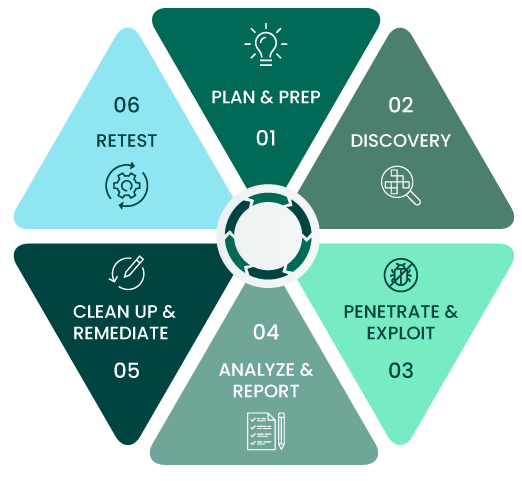
Pen testing for small businesses: cost math, compliance benefits, and how to turn findings into momentum.

A real-world evil twin case study—how we detected, verified, and remediated a spoofed SSID.
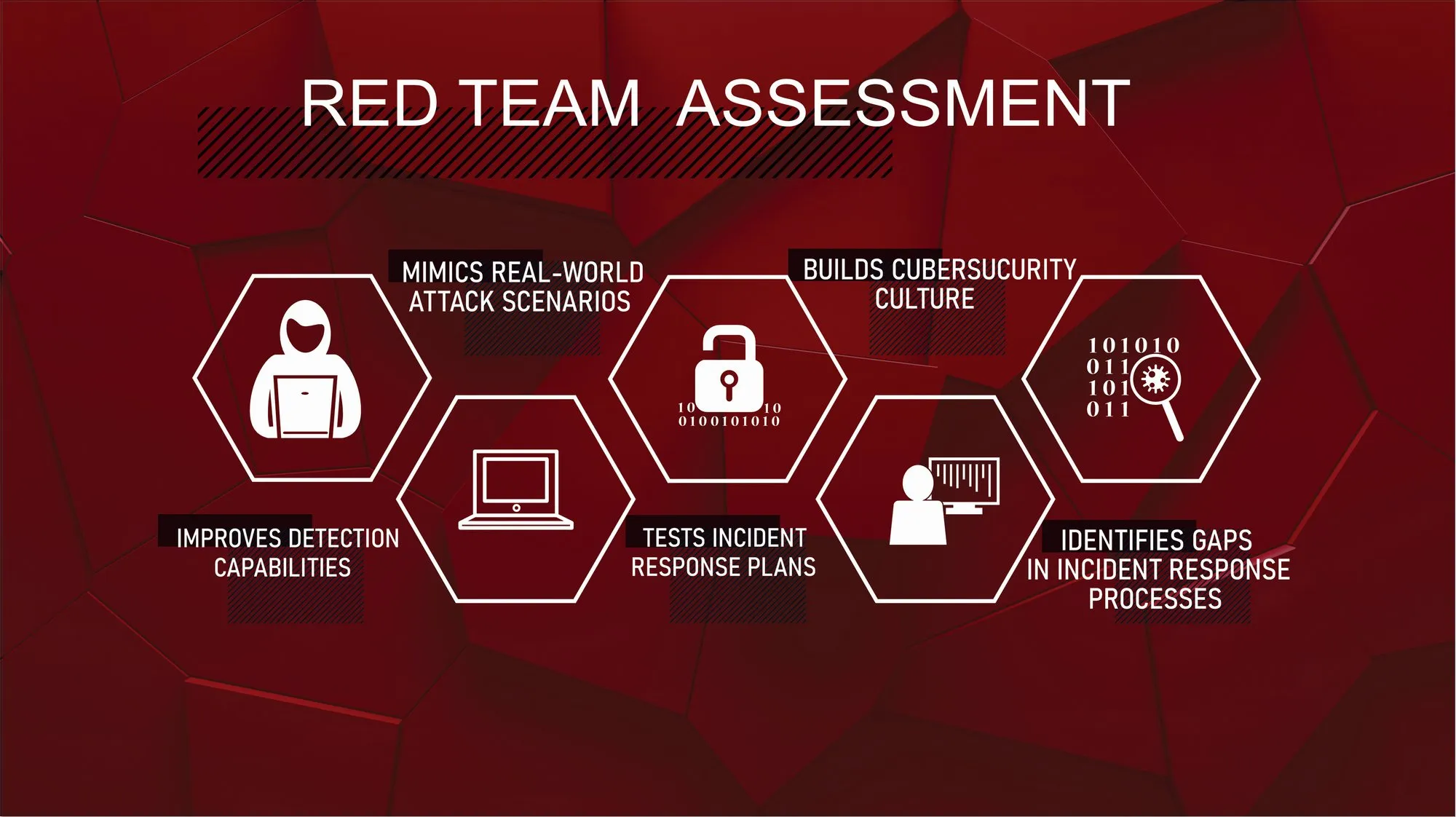
Five tools that earn their keep in client work—what they solve and how to report findings effectively.

A one-hour checklist that shuts common home-network attack paths without buying new hardware.

AI agents can browse, call tools, retrieve data, and take actions. Here is how to threat-model agentic systems before autonomy becomes a security problem.

Traditional MFA helps, but phishing-resistant authentication changes the game. Here is what passkeys and FIDO-style authentication actually protect against.

When a Windows endpoint looks compromised, the first half hour matters. Use this triage sequence to preserve evidence and build a timeline without destroying context.

A home cybersecurity lab becomes far more useful when it produces telemetry. Build a small SOC workflow around logs, detections, investigations, and repeatable attack simulations.

Zero trust is not a product and not a VPN replacement. It is a security model built around explicit authorization, identity, device state, and protecting resources rather than trusting network location.

Small businesses do not need an enterprise security budget to make ransomware materially harder. Start with identity, backups, patching, endpoint controls, and recovery testing.